Category Archives: Science

Fireworks

1044542_482815525133638_969985813_n 994212_482815551800302_990127356_n 1044542_482815525133638_969985813_n 942942_482815581800299_1401365817_n

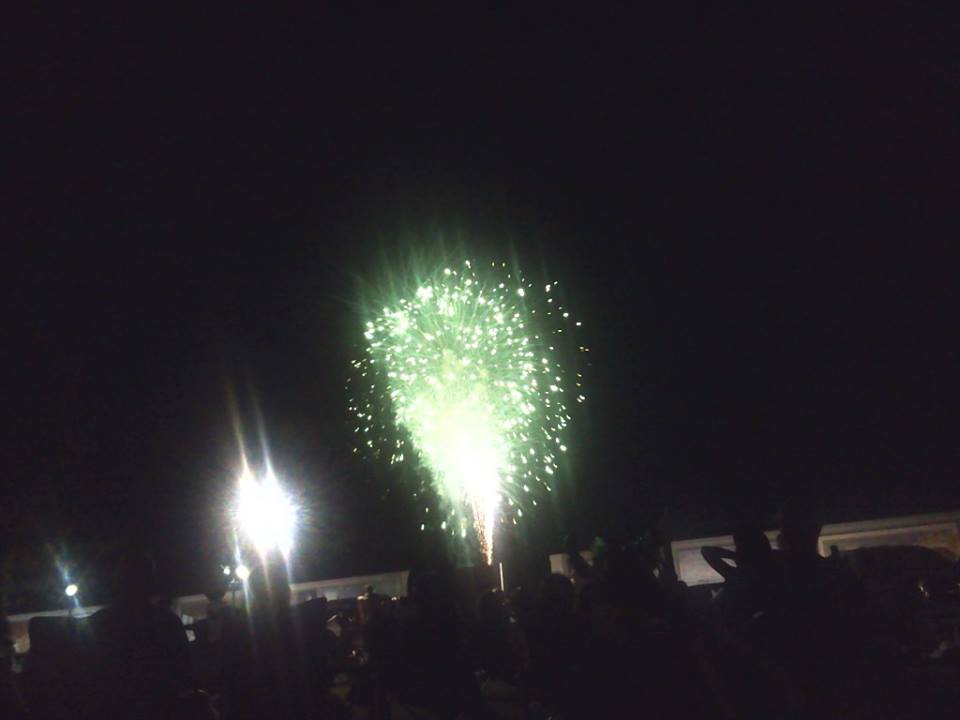
These photos were taken at our city’s riverfront last night.  It was our family’s second year to attend their annual event.  A few of the families in our neighborhood have been celebrating Independence Day all week and we have seen some beautiful fireworks and heard some BOOMS.   Z has been excited and J has tried to be tolerant.  They have had some questions.  My answer is the same for each of them,  “Let’s google it”.  Our search resulted in our homeschooling summer school lesson of the day and covers the subjects of history, science, and because we use the internet, computer lab gets a “check”.  We have a community service project also.  (There is quite a bit of firework trash to be picked up in the neighborhood yards and street.)

Below are J’s and  Z’s questions and the links to the answers.

“Where do fireworks come from?”   “The birthplace of fireworks is generally recognized as China, with the first explosive mixture found being black powder, during the Sung dynasty (960-1279)”  For the rest, click this link  to the brief article, The History of Fireworks   http://www.pyrouniverse.com/history.htm

“Why do we celebrate the 4th of July with fireworks?”  According to Slate, that answer is , “Because John Adams wanted us to. Before the Declaration of Independence was even signed, he envisioned fireworks as a part of the festivities. In a letter to Abigail Adams on July 3, 1776, he wrote that the occasion should be commemorated “with Pomp and Parade, with Shews, Games, Sports, Guns, Bells, Bonfires and Illuminations from one End of this Continent to the other from this Time forward forever more.”  The first commemorative Independence Day fireworks were set off on July 4, 1777.”   You can link here for the full article.  http://www.slate.com/articles/life/explainer/2012/07/history_of_fireworks_in_america_why_do_we_celebrate_fourth_of_july_with_fireworks_.html

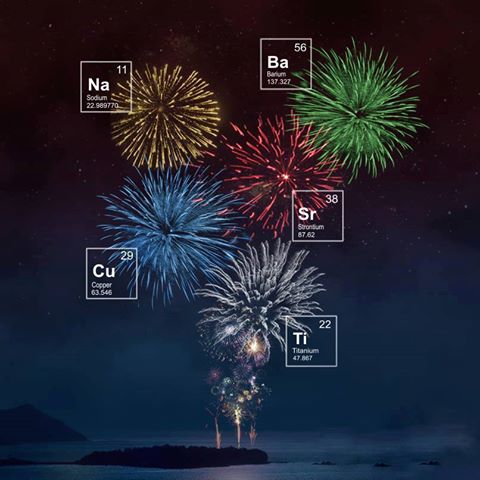
“What makes fireworks explode in different colors?”  According to a post from the Interactive TechnologExperience Center’s Facebook page, “Sodium produces yellow/gold colors. Barium creates green, copper compounds produce blue, strontium salts give you red and titanium metals give you silver coloured sparks.
Other commonly used chemicals are carbon which provides the fuel, oxidizers which produce oxygen for burning, magnesium which increases the overall brilliance and brightness, antimony that gives you a “glitter” effect and calcium which deepens the colors.” 

https://www.facebook.com/pages/Interactive-Technology-Experience-Center-iTEC/115400341904918
1013146_384597271651889_1887025048_n

“How do fireworks work?”  We found the answer in this video from Science Kids and The Franklin Institute.  http://www.sciencekids.co.nz/videos/chemistry/fireworks.html

“Can we make some fireworks?”  We don’t have to google this answer, I already know it,  “NO!”

betty jo

Homegrown Learners_CollageFriday newfriendshipFridaybutton_zpsba323150  Our days button 2HMJ-SUMMER-logo-landscape  kris_weekly-wrap-up  MMMButton

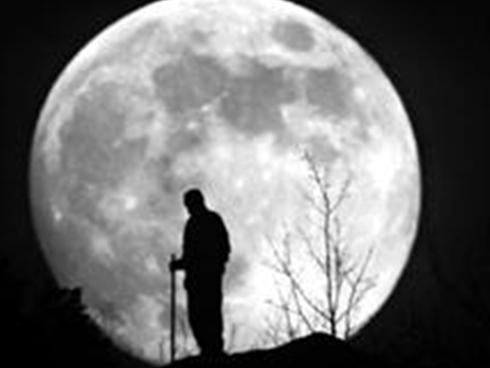
Considering the Moon

super-moonx-large

Psalm 8:3  “When I consider your heavens,  the work of your fingers, the moon and the stars  which you have set in place,”

Sunday, June 23 is the date for the Super Moon and an excellent opportunity to “consider the moon”. .  

According to NASA,  “The Moon will reach its closest distance to the Earth at exactly 7:32 am EDT (4:32 am PDT) on 23 June, but because it will be peaking in the early morning hours, both 22 June and 23 June will put on similar shows. So either day will be a good opportunity to see the larger-and-brighter-than-normal Supermoon.

This year the Supermoon will be up to 14% larger and 30% brighter than a typical Full Moon is. This is a result of the Moon reaching its perigree – the closest that it gets to the Earth during the course of its orbit.”

You can link to the full NASA article here  http://solarsystem.nasa.gov/news/display.cfm?News_ID=44049

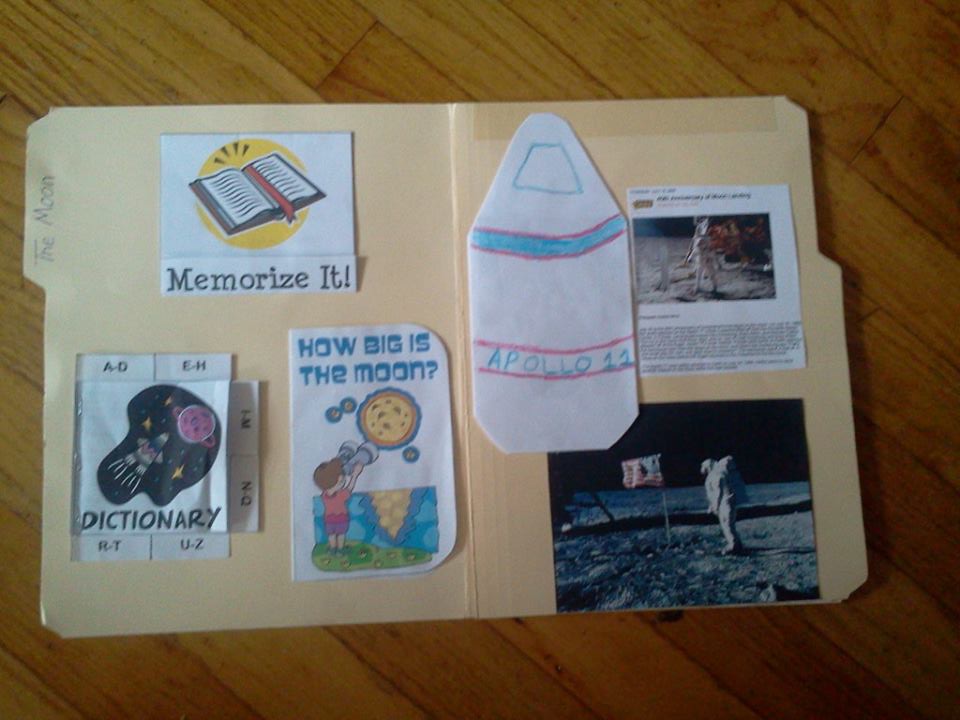
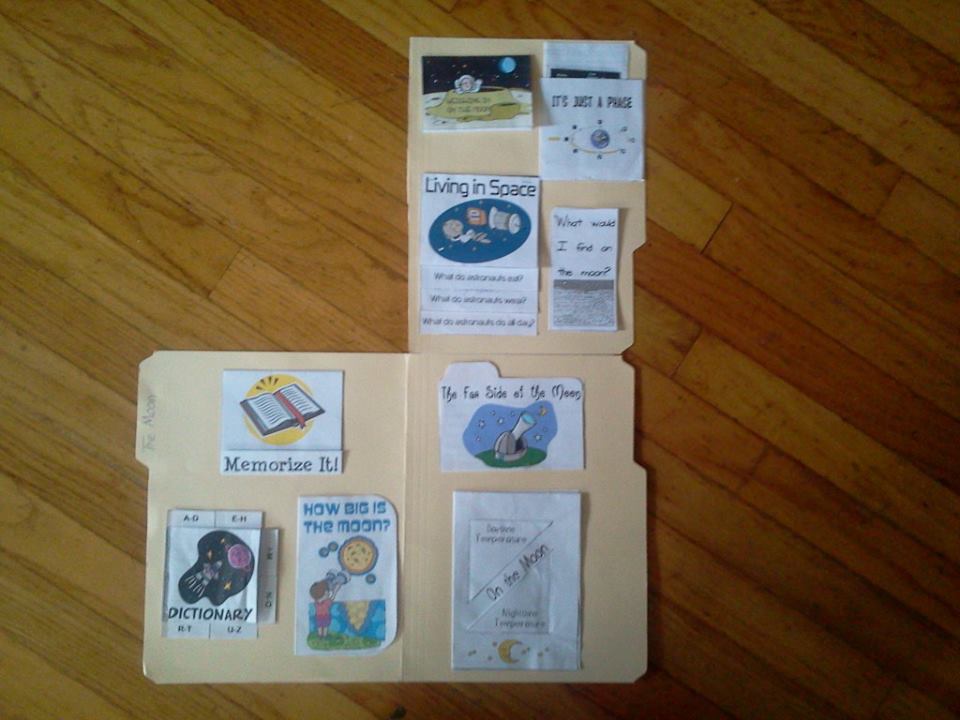
If interested in a moon unit study, I recommend the free lapbook resources Sun, Moon, and Stars. We used these last summer when we studied the moon missions.  http://www.homeschoolshare.com/space_lapbook.php

1011317_477876488960875_196509083_n 1044598_477876538960870_1628197832_n

For teachers and older students I recommend this article, The Moon: A Faithful Witness in the Sky. http://www.icr.org/articles/view/150/344/

This site has 200 “moon” related learning links!  http://watchknowlearn.org/SearchResults.aspx?SearchText=moon&page=1

And for something a little silly and active try this  https://www.youtube.com/watch?v=1EEynvjfljU

betty jo
The Great Barrier Reef

reef

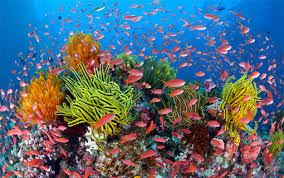
June 11 is the anniversary of the discovery of the Great Barrier Reef (1770). Also, the third week in July is “Coral Reef Awareness Week”! Here’s the links we will be following in our homeschooling summer school lesson of the day (and maybe tomorrow’s lesson too).

About the reef from the Marine Park Authority of Australia  http://www.gbrmpa.gov.au/about-the-reef

Photo Gallery                                                                                                https://www.livescience.com/23611-image-gallery-great-barrier-reef-through-time.html

Lapbooking materials  http://www.homeschoolshare.com/coral_reef.php

documentary  here   https://www.youtube.com/watch?v=b_d3LFvc8HQ

It is going to be a “G’ Day” of homeschooling with this Great Barrier Reef Study!

betty jo

Dino Debate

dino quiz

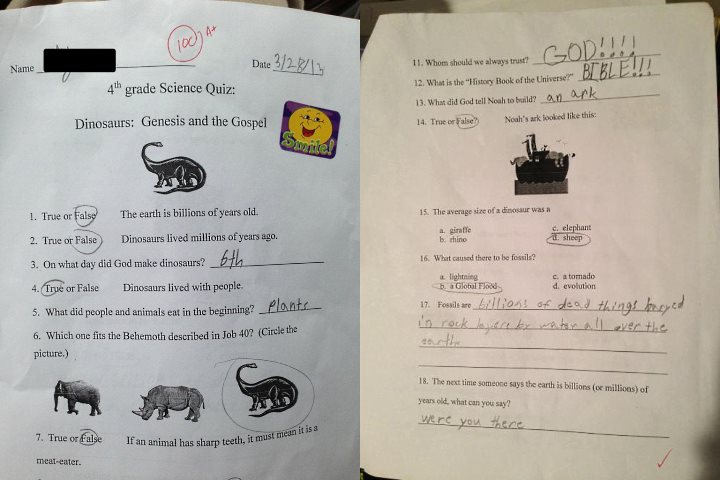
If you are part of social media or a news follower you have no doubt seen this already.  This science quiz from a student at a private Christian school went viral not long ago and has sparked a rather ugly debate.

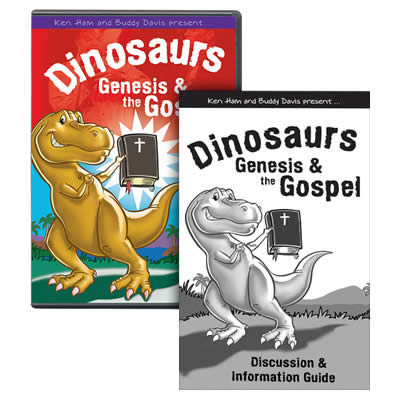
This is the curriculum that the test was over that has triggered such harsh comments from the atheist communities.

dino 2You can click here to link to the article from the Huffington to get a glimpse of what the evolutionist opinions have been http://www.huffingtonpost.com/2013/04/26/4th-grade-science-test-creationism-questions-dinosaurs_n_3163922.html

I love the response from Ken Ham and Answers in Genesis.  They are inviting everyone to view their video, download a booklet, and take the quiz themselves, all at no charge. This offer is only good for a limited time.   You can link to their site and free downloads here  http://www.answersingenesis.org/articles/2013/05/23/families-use-atheist-attack-teach-kids-truth.

Being a lawyers kid, I love debate.  And as a Christian I love the Word of God.  As wonderful as it is to have faith and belief that the Biblical account of creation is true, quoting the Scriptures from Genesis chapter 1 won’t get us anything but ridicule from non believers when it comes to the Creation vs Evolution debate.

“24 And God said, “Let the land produce living creatures according to their kinds: the livestock, the creatures that move along the ground, and the wild animals, each according to its kind.” And it was so. 25 God made the wild animals according to their kinds, the livestock according to their kinds, and all the creatures that move along the ground according to their kinds. And God saw that it was good.

26 Then God said, “Let us make mankind in our image, in our likeness, so that they may rule over the fish in the sea and the birds in the sky, over the livestock and all the wild animals,[a] and over all the creatures that move along the ground.”

27 So God created mankind in his own image,
    in the image of God he created them;
    male and female he created them.

28 God blessed them and said to them, “Be fruitful and increase in number; fill the earth and subdue it. Rule over the fish in the sea and the birds in the sky and over every living creature that moves on the ground.”

29 Then God said, “I give you every seed-bearing plant on the face of the whole earth and every tree that has fruit with seed in it. They will be yours for food. 30 And to all the beasts of the earth and all the birds in the sky and all the creatures that move along the ground—everything that has the breath of life in it—I give every green plant for food.” And it was so.

31 God saw all that he had made, and it was very good. And there was evening, and there was morning—the sixth day.”

Proper science examines all evidence claimed and critically researches different theories before reaching conclusions.  This is how we “do” science in our homeschool.  I feel this is how all science should be studied, whether in homeschools, private schools, or public schools.

As Christians, I feel we need to arm ourselves and our children with scientific evidence.  We need to understand the correct scientific lingo and vocabulary and use it accordingly.  It’s time to take a stand and join in the debate.

Sadly, young earth creation evidence is not mainstream although there is much available.  Below are my other favorite sources for exploring creation evidence:

http://creation.com/

http://www.icr.org/article/science-resources-for-homeschool/

http://thatsafacttv.com/

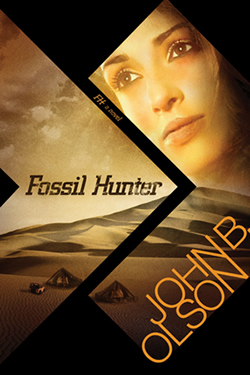
If you enjoy a good fiction read, you should take a look at The Fossil Hunter by John B. Olsen,  This book is loaded with the scientific community opinions and is available in libraries or can be purchased from most book retailers.

fossil-hunter-250

I encourage you, no matter which side of the creation/evolution debate you are on, that you will debate with respect and factual evidence.

betty jo
World Turtle Day

????????????????

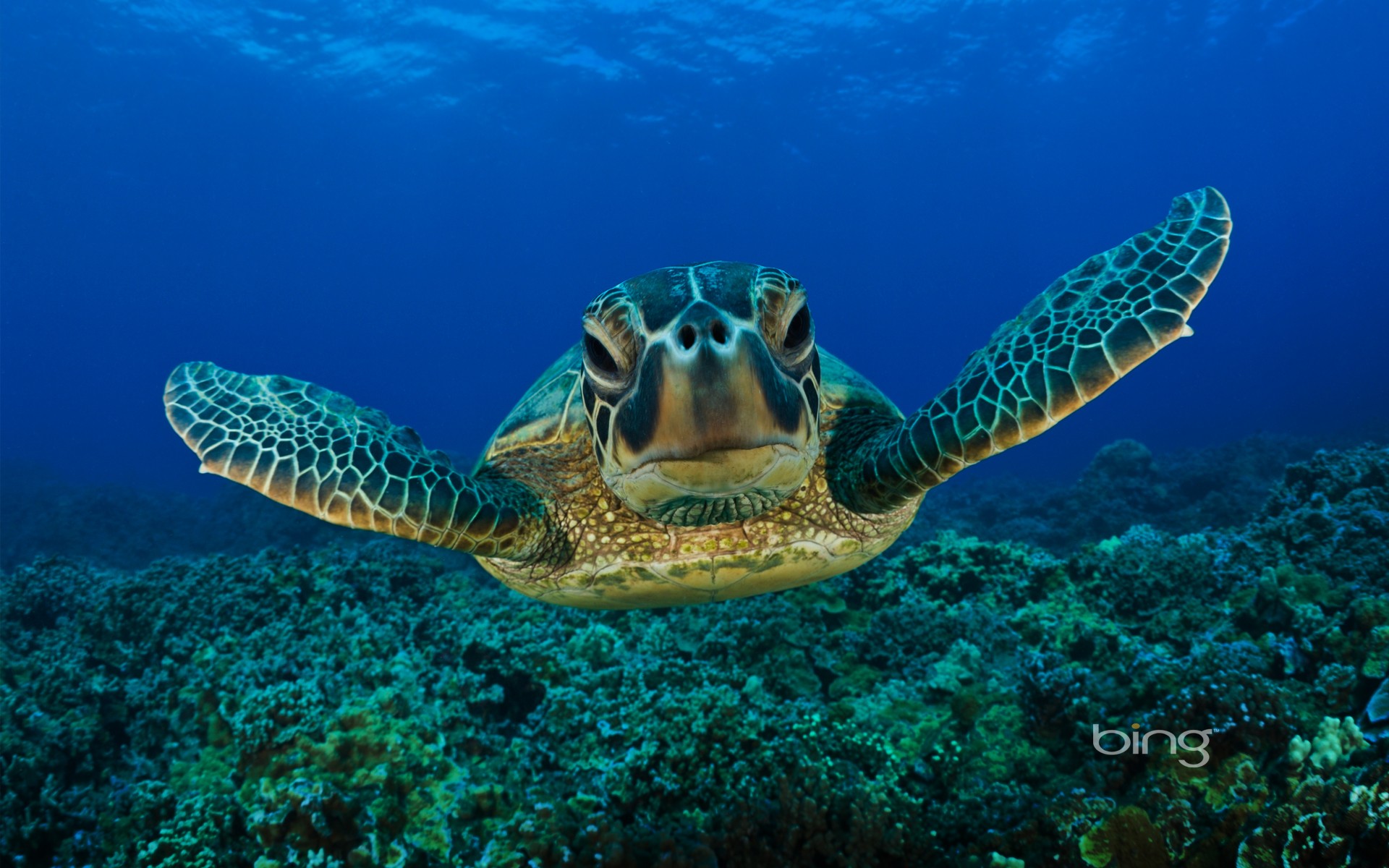
According to my special days calendar, May 23 is World Turtle Day!  I have found some great free resource links to follow as we learn about turtles in our homeschool!

Lapbook from here  http://www.homeschoolshare.com/turtles.php

Much about turtles, conservation, rescue, and more here http://www.seaturtleinc.org/

More cool turtle stuff  here  http://www.conserveturtles.org/turtletides.php

Look inside a turtle’s shell!                                                                               http://boredomtherapy.com/inside-tortoise-shell/

List with photos of different types of turtles with quick facts                                         https://animalsake.com/different-types-of-turtles

Turtle myths and legends                                                  http://www.ancientpages.com/2015/08/29/myths-legends-reveal-ancient-turtle-worship-linked-creation-world/

Children’s Bible Ministry lesson with a turtle theme                              http://www.bibleline.org/turtles.html

Something challenging for an art project. Origami instructions   https://www.freekidscrafts.com/origami-turtle/

Learn to draw 4 different turtles                                                                 https://www.wikihow.com/Draw-a-Turtle

Rock painting tutorial                                                                   https://garden.org/thread/view/3659/Turtle-Rock-Paint-Project-Tutorial/

Turtle jokes                                                                                                https://www.jokesbykids.com/turtle/

“What kind of jokes do turtles tell? SHELL-arious ones!”

And finally  notebooking pages with ocean animals including turtles from here   https://www.teacherspayteachers.com/Product/Ocean-Animal-Themed-Writing-Paper-FREEBIE-1213370

It looks like we’ve got science, language arts, computer lab, art, and fun covered for our homeschool summer school today (actually a few days worth of resources)!

betty jo
Watching Our Garden Grow

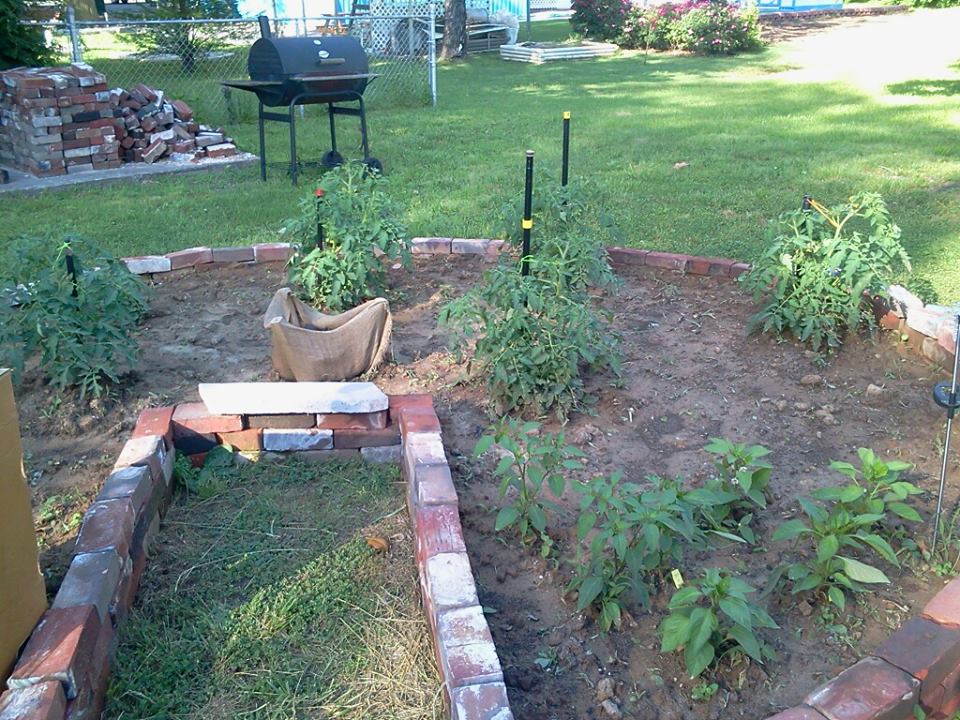
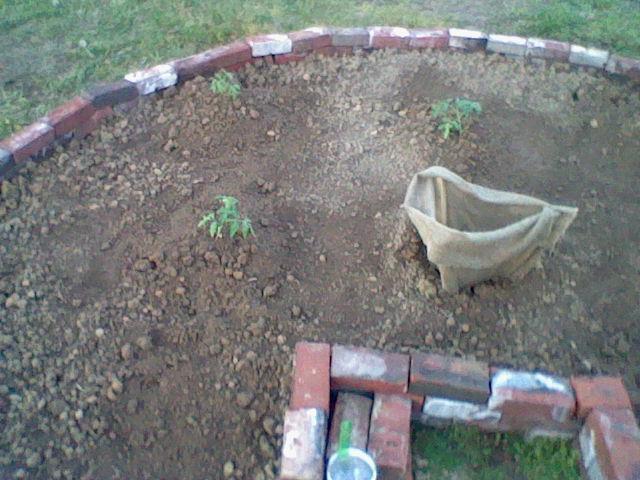
After last years failed attempts at growing anything in our yard, we are surprised that our new garden is doing so well.  In fact, we were expecting our homeschool  Key Hole Garden science project to not do so well.

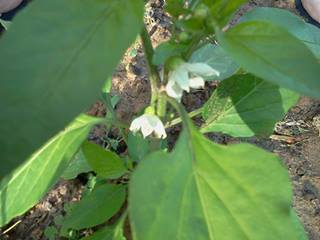
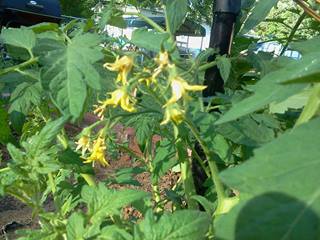
580344_464341090314415_1749948604_nBoth the pepper and tomato plants are blooming.

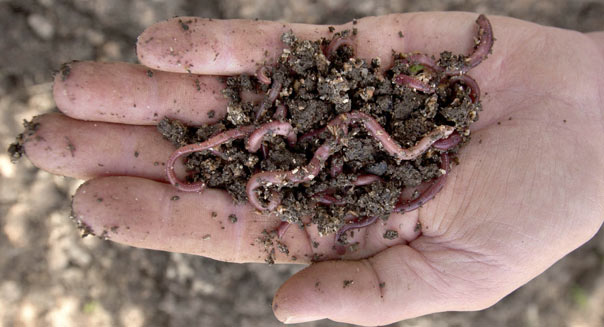
374973_464342963647561_1237583955_n969552_464342920314232_2077160837_nWorms, used coffee grounds, rotting vegetables and fruits, and flies.  Such a wonderful example of how God uses the yucky stuff to create something useful and beautiful!

Romans 8:28  “And we know that in all things God works for the good of those who love him, who[a] have been called according to his purpose.”

For more about our homeschool gardening project , click here  https://stilllearningsomethingnew.com/2013/04/14/homeschool-gardening/

And here  https://stilllearningsomethingnew.com/2013/05/03/yuck-worms/

betty jo

MMMButton

Yuck! Worms!

GLOVER“Mom, why do worms go to the sidewalk when it rains?”  I answer that I don’t know, then tell him to pick them up and throw them in our garden.  Of course that leads to his next question, “Why?”  Before another worm question can be asked,  the idea for a new mini unit study is already forming in my head.  And since the weather forecast is calling for more showers, I am thinking now will be a good time to begin.

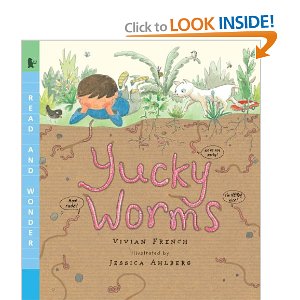
I found this at our library for the younger boys, but we will all read it because we all love picture books.

yucky worms bookFor the answers to the worm questions, we’ll take a look here  http://www.biologyjunction.com/earthworm%20facts.htm#How%20long

Because very few science studies are complete without a lapbook project,  we’ll download from here  http://www.homeschoolshare.com/worms.php

Worm jokes for fun from a wonderful kids and garden site  http://www.kidsgarden.northwestwigglers.com/worms-and-bugs/worm-jokes/

And for the grand finale,  gummy worms and the movie, How To Eat Fried Worms.

For more about our homeschool’s gardening project click here  https://stilllearningsomethingnew.com/2013/04/14/homeschool-gardening/

gaarden 1

In case you are wondering why the worm crossed the road, I know that answer.  To get away from the chicken!

betty jo

Homegrown Learners_CollageFridayOur days button 2newfriendshipFridaybutton_zpsba323150

Avoiding It Like The Plague

Plague_victims_blessed_by_priest

I’ve been designing our homeschool’s curriculum for several years.  I base our unit studies on a historical period timeline.   One year we study everything “ancient”.  The next year we move on to studying everthing “middle ages”.  Then the following year our unit studies are based on “American history”.  The fourth year we focus on “modern world history”.  After these four years, we start over, but with more advanced assignments.

Every June I start planning the upcoming school year’s unit studies.  And I start this process by making a list of everything found on on a timeline that could/should be included in our lessons for the year.

As this homeschooling year comes to a close,  I am pleased that our Middle Ages/Renaissance unit studies have covered almost everything on my original list.  We will be ending our regular studies with church reformers .  Our summer school studies will include the great composers as we have elected music as one of our summer classes.

However, there is one topic on my list we haven’t studied yet.  Truthfully, I have been avoiding this particular study like the plague!  Actually, that is the study, the Bubonic Plague, Black Death.  This was such a terrible time in history as nearly one third of the European population died from this epidemic.  With less than three weeks left of our school year, and not wanting to end with this study, we will be covering the plague this week.

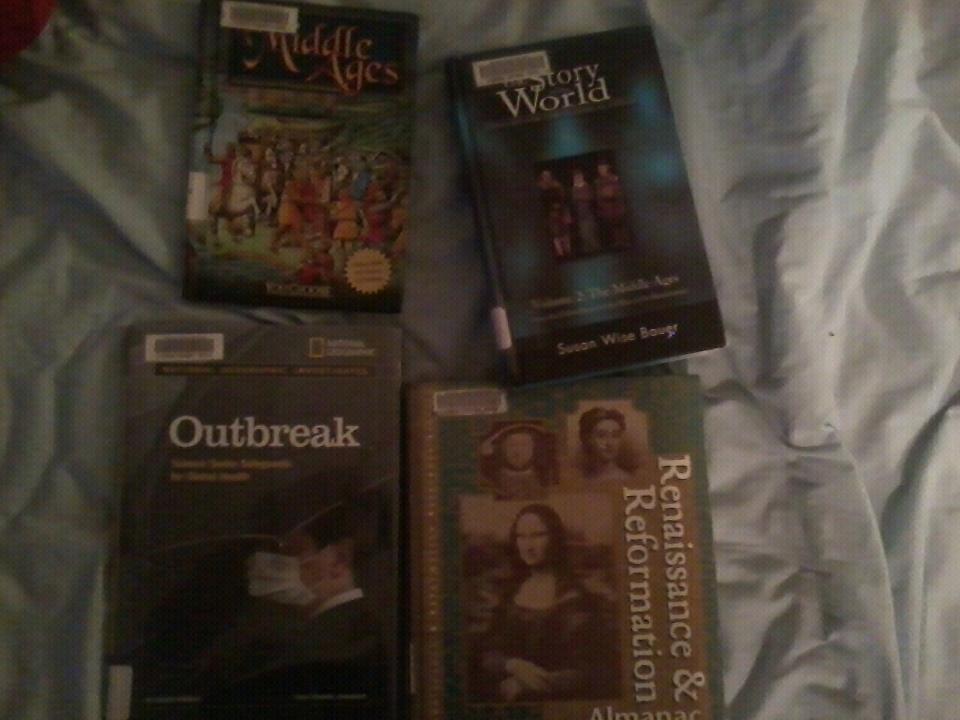
We will be reading about the Bubonic Plague from these library books.

plague books

Here’s the resource links we’ll be using

Teacher notes for the younger boys   http://www.mrdowling.com/703-plague.html

Black Death lecture for the older kids   http://www.historyguide.org/ancient/lecture29b.html#map

The younger boys will work together to make lapbooks from  http://www.homeschoolshare.com/plague.php

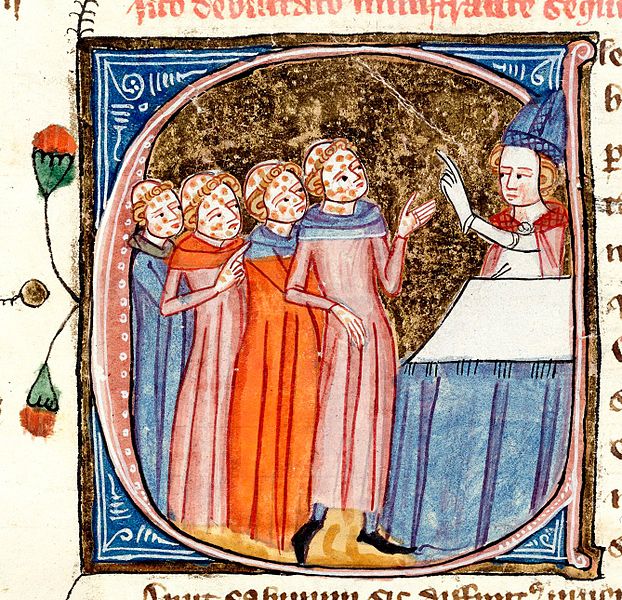
I’m not surprised that I couldn’t find notebooking pages for this subject.   I’ll be designing our own notebooking pages using that  horrible art photo at the top of this post for my older kids.

Knowing that we are so close to finishing our homeschooling year will hopefully brighten our moods as we learn about Black Death.

betty jo

HHH-300x300

Stewardship Day

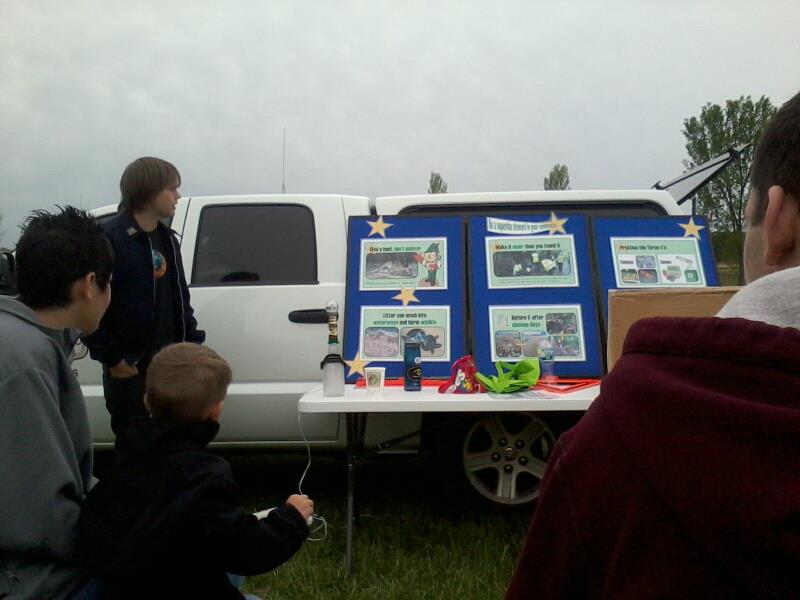
The Dixon Springs Agriculture Center, in Southern Illinois’ Shawnee National Forest, teams up with with environmental and conservation experts every year for a week of educational programs for school children.  They have been hosting this event for over twenty years, and I think our homeschooling support group has been attending for about that long, too.

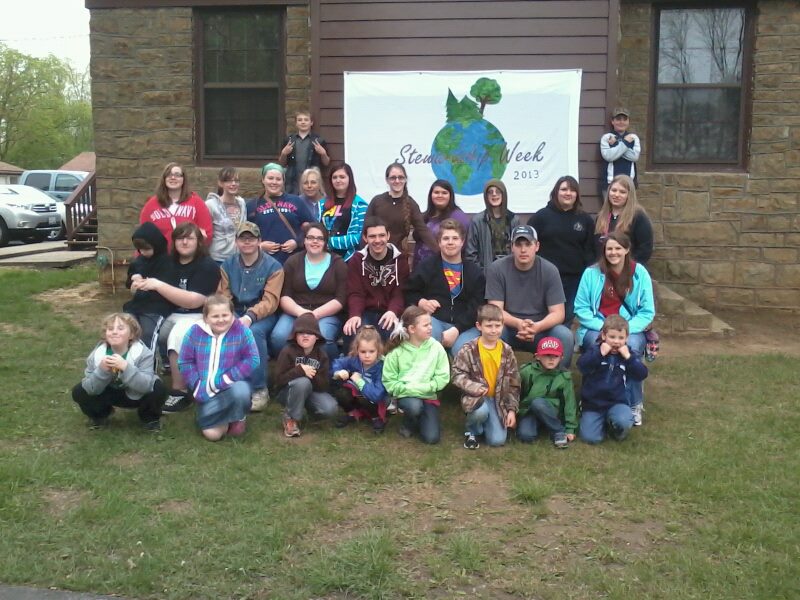
We had an excellent turnout of  both young children and teens for our day of Stewardship Week even though it was quite cool and cloudy.

ag ctr 1

Our first class of the day was The Three R’s (Reduce, Reuse, and Recycle).

ag ctr 5

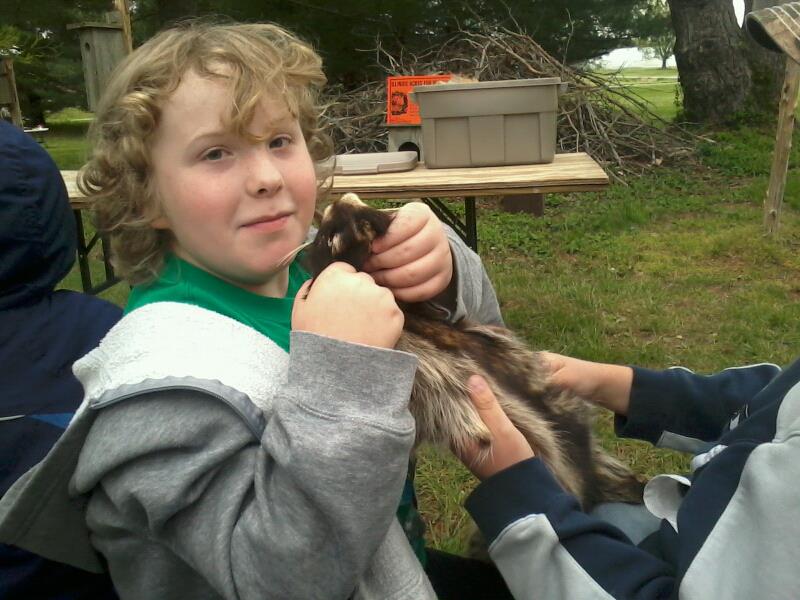
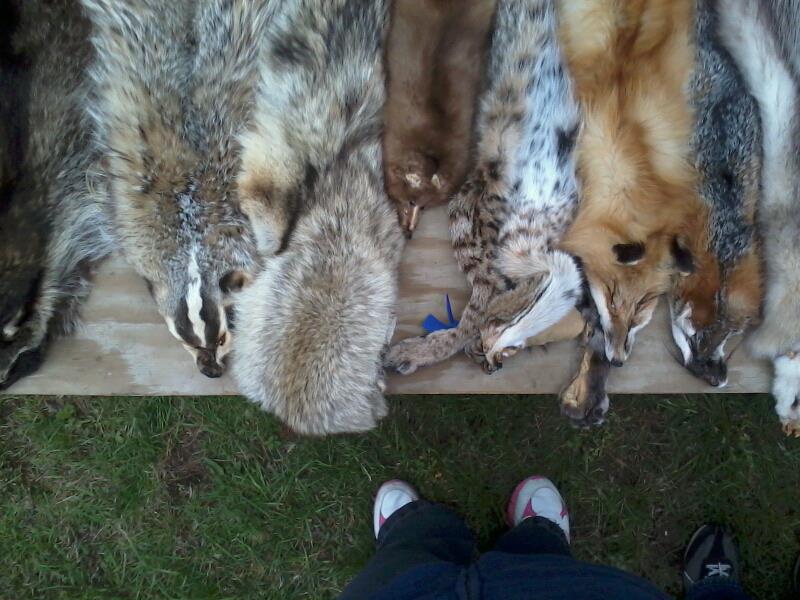
Our second class was Wildlife Management.  We learned about the area habitats and the animals who live there.  Also, our teacher explained illegal poaching and trapping.  He passed around the pelts of animals that he had found in traps.

ag ctr 4Even though this was rather sad, it gave the kids a chance to touch, feel, and study several of the forest’s residents.

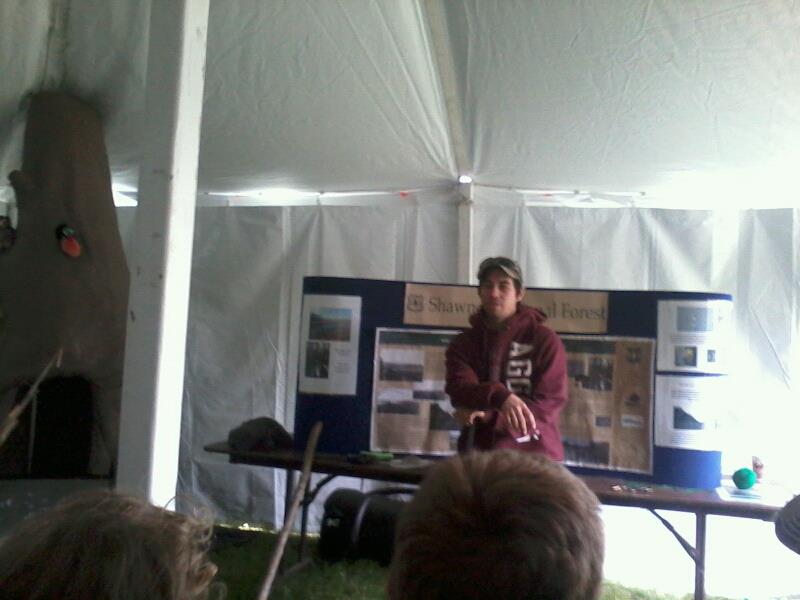
ag ctr 3Our third class was Wetlands Birds and thankfully it was under a tent because it had started to rain.

ag ctr 2Instead of having our picnic lunch outside, the rain continued so we ate in our cars.  After lunch, the kids went to the Activity Center.  Here they stocked up on coloring pages, stickers, and worksheets to do later.  They also made necklaces.

ag ctr 6The rain decided to stick around as did the cool temperatures, forcing cancellation of the rest of the Stewardship Day classes.  We were disappointed, but also ready for some dry, warm clothes.

Maybe the rain will stop sometime over the weekend so we can plant the Red Oak saplings we brought home as souvenirs.

ag ctr 7

Next year we will try this field trip again, and hopefully the sunshine will try to show up too.

betty jo

Homegrown Learners_CollageFridayHSMJ-wideIHNfantastic fieldtrip button

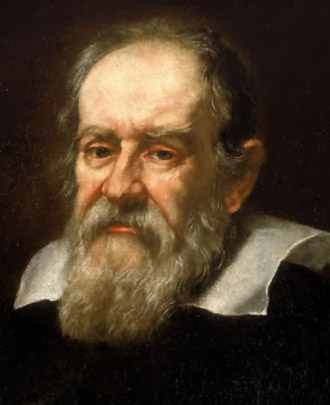
Galileo

galileo

                                                   GALILEO GALILEI

                                              Astronomer, Physicist

                                                                 1564 – 1642

As we continue our homeschooling Middle Ages/Renaissance unit studies, we will be adding Galileo to our lessons. Not only will we be focusing on his inventions and discoveries, but also his character.   He showed great respect for those he disagreed with.  His willingness to speak out for his beliefs when such beliefs were considered heresy, is inspiring.  It’s going to be an interesting study.   I found fantastic links and want to share them with you.

Short Biography, quiz, and printables (for younger students) –   http://www.gardenofpraise.com/ibdgalil.htm

Galileo Biography, Discoveries, and Inventions (for older students)  [Parental Warning!  There was an inappropriate ad in the middle of the biography!  I was able to close it.  It may be a smart idea to check the page before handing it over to you kids to read.]  https://www.famousscientists.org/galileo-galilei/

Galileo quotes –   http://www.quotationspage.com/quotes/Galileo_Galilei/

Galileo notebooking pages  (3rd down on the pdf list)  –   http://jimmiescollage.com/downloads/science/

A re-creation of Galileo’s “falling bodies” experiment at Pisa  –   (This physics professor goes all out for this one!)    https://www.youtube.com/watch?v=_Kv-U5tjNCY

Galileo Experiments Interactive  –  http://www.pbs.org/wgbh/nova/physics/galileo-experiments.html

“What Galileo Saw With His Telescope” documentary video  –  https://www.youtube.com/watch?v=bCIEYUeXll8

“I do not feel obliged to believe that the same God who has endowed us with sense, reason, and intellect has intended us to forgo their use”.  Galileo

betty jo