

 Happy Monday and have a terrific week!
betty jo

Happy Monday and have a terrific week!
betty jo



Haha! “Word Crimes” music video https://www.youtube.com/watch?v=8Gv0H-vPoDc
Have a happy Monday and a great week!
betty jo

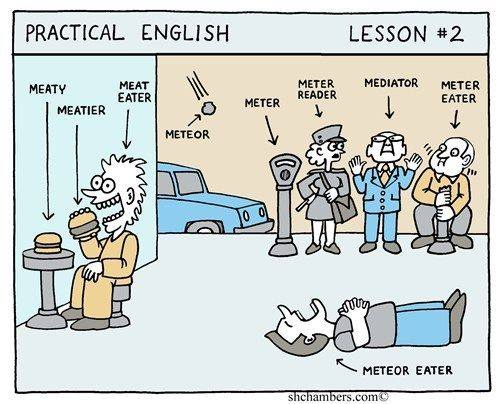



Here’s a math lesson gone wrong! No matter how bad some of ours have been, it’s never been this bad… http://www.youtube.com/watch?v=XnICFjDn97o
Happy Monday and have a happy week!
betty jo

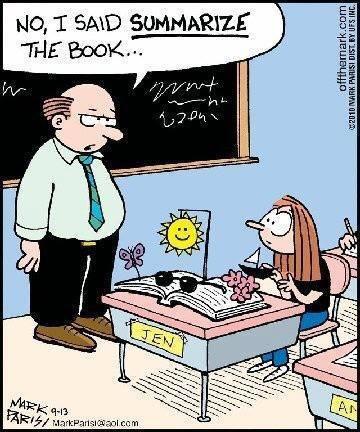

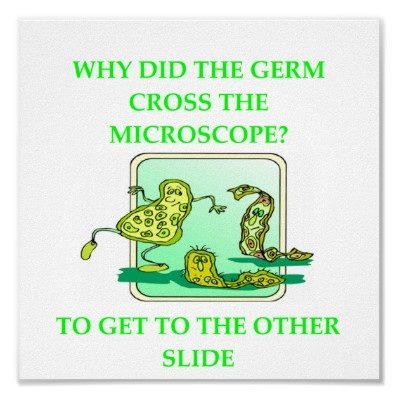
“Oh my goodness, it’s been like a year and a half since the last one!”
Have a happy Monday! And have a wonderful week!
betty jo

We had a few fantastic “special days” studies last July. Below are those special day posts. Each one has the links to the teaching resources we used. I’ve checked the links and they seem to be working.
Ramadan, 2014 began in June and continues until July, 28 with the celebration of Eid al-Fitr. .(This past winter, our local homeschool group hosted a holiday history fair. B chose to come back to this study for his presentations. It’s a very good study.) https://stilllearningsomethingnew.com/2013/07/12/studying-ramadan/
International Joke Day – July 1 https://stilllearningsomethingnew.com/2013/07/01/just-joking/
This was our study following the 4th of July, it would have been better if we had done it first with the fireworks display to follow. We learned a lot and found it interesting. We’ll be visiting topic again this year. https://stilllearningsomethingnew.com/2013/07/05/fireworks/ We learned about the Liberty Bell as part of our July studies last year, too. The resources for that study were awesome! https://stilllearningsomethingnew.com/2013/07/08/the-liberty-bell/
Artist Rembrandt born July 14 – https://stilllearningsomethingnew.com/2013/07/15/rembrandt/
July born Presidents:
We haven’t yet made any decisions yet about our July 2014 special day learning, but I’m pretty sure ICE CREAM will make our list (more than once)! And, we may have a go with the July 24th unschool holiday, “Learn Nothing Day”, though I don’t know how that would be possible. Here’s the “Special Days in July” list for 2014 https://stilllearningsomethingnew.com/2014/06/26/special-days-in-july/
Happy July learning,
betty jo
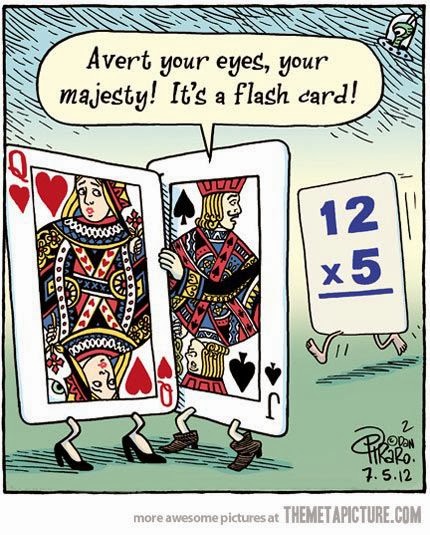
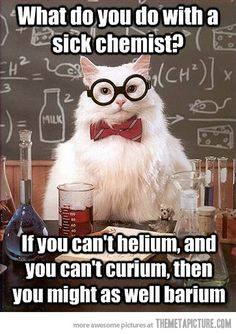

And a quick fun read http://www.huffingtonpost.com/bunmi-laditan/5-minutes-in-a-moms-head_b_5445948.html?ncid=fcbklnkushpmg00000037
Have a very happy Monday and a great rest of the week!
betty jo
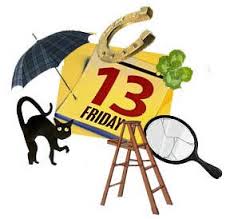
Because we’ve been having an abundance of craziness and busyness this week, I thought that we wouldn’t “do school” today. But… it’s Friday the 13th!
I’m wowed by the resources and links I have saved up for a study on superstitions do use on a Friday the 13th. Surely we’ll be able to make a little time to learn about superstitions because this stuff is INTERESTING! Below are the sites and resources I found to share with you just in case you can make time for a little superstition too.
Origins of common superstitions explained at Live Science http://www.livescience.com/33507-origins-of-superstitions.html
Behavioral psychology in regards to superstitions discussed from Kids Net Encyclopedia http://encyclopedia.kids.net.au/page/su/Superstition
13 Superstitious Writing Prompts https://cecileswriters.wordpress.com/2012/04/13/superstitious-prompts/
Free Printable “Black Cat” border writing paper https://www.teacherfiles.com/resources_bp_holidays.htm
20 +free superstition worksheets from Busy Teacher (you’ll need an account, but it’s easy to set up) http://busyteacher.org/classroom_activities-vocabulary/superstitions-worksheets/
Common Superstitions and Why We Have Them (article, video, graphics) https://medium.com/ecom-tips/common-superstitions-why-do-we-have-them-b701245e8ca7
Superstition origins video from Mental Floss (this one’s for the older kids) http://www.youtube.com/watch?v=qFyDUaSi-5w
Mathematical Properties of the Number 13 http://www.numbergossip.com/13
To keep this study in the right perspective we’ll include 1 Timothy 4:7 with this study. “ People tell silly stories that don’t agree with God’s truth. Don’t follow what these stories teach. But teach yourself to be devoted to God.”
And finally some music, which my kids will consider ancient history, but saying such a thing may bring them some bad luck!
betty jo


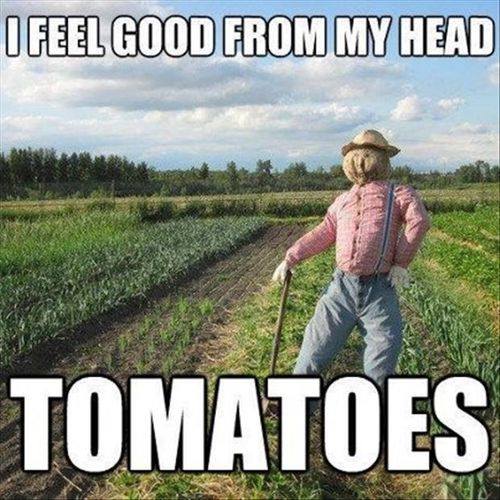

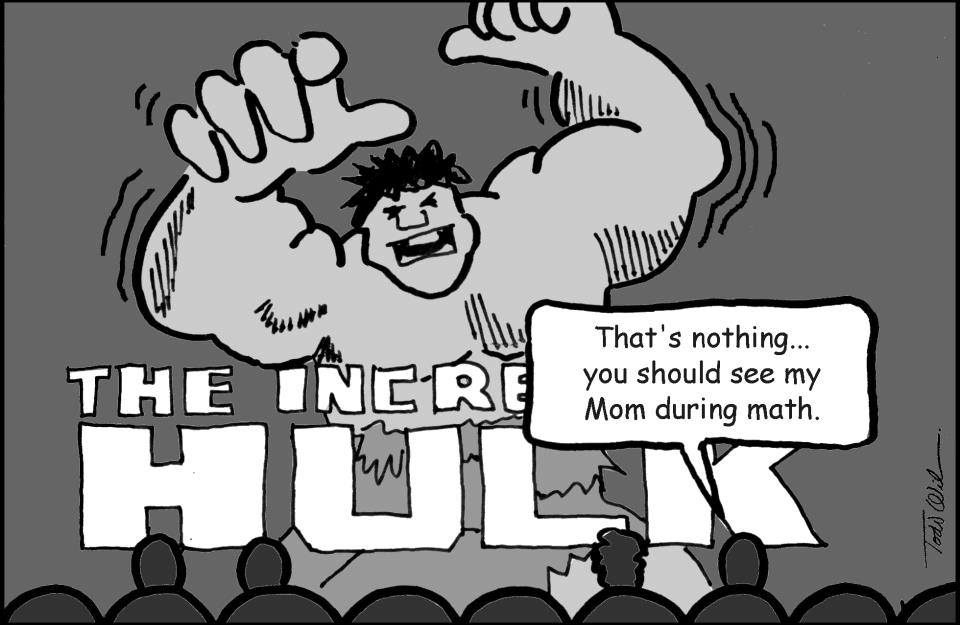
It’s going to be an awesome Monday!

And I’m hoping we all have a great week of homeschooling (or a great week of not homeschooling if you’re on a break)
betty jo
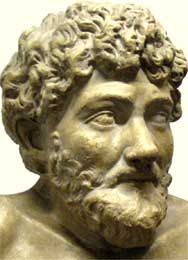 Today is our first “special day” study of the summer. Aesop! The calendar says June 4 is his birthday, but his history doesn’t have that exact information recorded. Around 620-560 BC was his time. Below are the links that we’re going to follow as we not only learn about Aesop and read his works, but as we practice public speaking and communication through story telling. The project will be to learn an Aesop fable well enough to present it orally. Retelling is an awesome way to check for reading comprehension and concept understanding as well as being a great communication skill.
A brief biography http://www.findingdulcinea.com/features/profiles/a/aesop.html
Aesop quotes that are as relevant today as they were back in his day http://www.brainyquote.com/quotes/authors/a/aesop.html
Fables to read with discussion questions and quizzes, activities, and vocabulary glossary http://www.mcwdn.org/fables/fabadult.html
Tips for good story telling
For an added challenge, I’m going to have the kids retell a lesson they have personally learned by substituting animals as the characters just as Aesop had done. And of course, we’ll add some art to the lesson. Illustrations are a fantastic way to enhance a story. This is my “go to” site for art/drawing instructions when we need a little tutoring, and it seems like they have a good variety of drawing animal instructions if we need it. http://www.dragoart.com/animals-for-kids-c408-1.htm
This is a 24 video collection of animated Aesop fables, because summer studies should always include a movie inside under the air conditioning during the hot afternoon.
For the complete listing of Special Days in June click here Special Days in June, 2018
I plan on participating myself with our Aesop studies. I certainly have a long list of personal lessons learned that could be put into a short story. After all, he did teach that, “Example is the best precept” and “Better wise from the misfortunes of others than by your own”.
betty jo



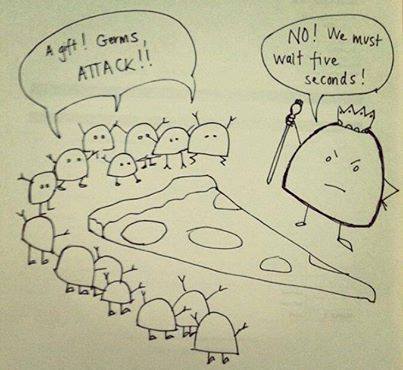


The music is a bit annoying, but the words are fabulously funny! The slide show is nice, too.
 Have a happy Monday and a happy week!
betty jo
 Still Learning Something New